
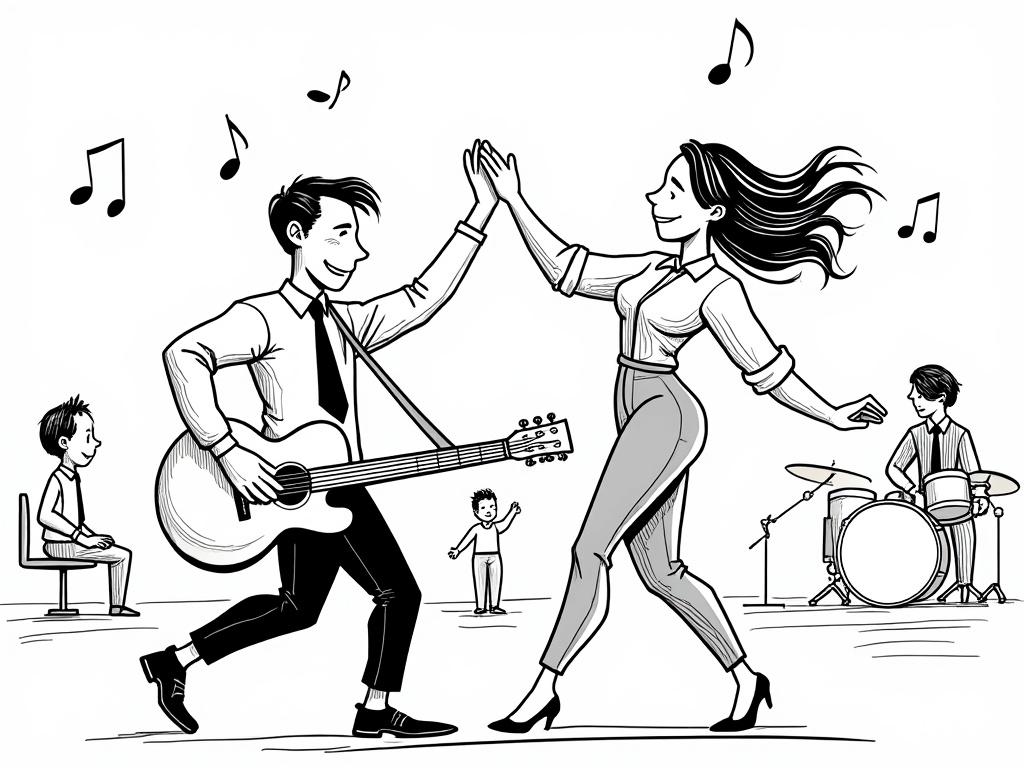
Traditional Greek Music and Dance: Your Gateway to Hellenic Cultural Heritage
Reading time: 8 minutes
Table of Contents
- The Foundations of Greek Musical Tradition
- Essential Greek Instruments That Define the Sound
- Iconic Dance Forms and Their Regional Variations
- Mastering Greek Music and Dance: A Practical Approach
- How Traditional Arts Thrive in Contemporary Greece
- Creating Your Own Greek Cultural Experience
- Your Cultural Immersion Roadmap
- Frequently Asked Questions
Ever wondered why Greek music instantly transports you to sun-drenched islands and ancient amphitheaters? You’re experiencing centuries of cultural DNA encoded in melody and movement. Traditional Greek music and dance aren’t just entertainment—they’re living, breathing expressions of a civilization that shaped Western culture.
Here’s the fascinating reality: Greek musical traditions have survived invasions, occupations, and modernization precisely because they adapt while preserving their essential character. Let’s explore how these art forms continue to captivate audiences worldwide and how you can authentically engage with this rich heritage.
The Foundations of Greek Musical Tradition
Greek music operates on unique modal systems that predate Western major and minor scales by millennia. These ancient modes—Dorian, Phrygian, Lydian, and others—create the distinctive emotional landscapes you hear in traditional Greek songs.
The Modal Magic: Understanding Greek Musical DNA
Unlike Western music’s emphasis on harmony, Greek traditional music prioritizes melodic ornamentation and microtonal variations. Think of it as emotional sculpture through sound—every note bend and vocal flourish conveys specific feelings that Greeks have recognized for generations.
Key Characteristics:
- Asymmetrical rhythms (7/8, 9/8 time signatures)
- Extensive use of quarter-tone intervals
- Call-and-response patterns between instruments and voices
- Improvisation within traditional frameworks
Consider the haunting Rembetiko songs of the early 20th century—often called “Greek blues.” Born in urban poverty and displacement, these songs used traditional modes to express modern suffering, proving how ancient musical structures could accommodate contemporary emotions.
Regional Variations: A Musical Archipelago
Greece’s geography created distinct musical dialects. Island music differs dramatically from mountain songs, which vary from urban styles. Each region developed unique instruments, rhythms, and performance practices that reflect local life and landscape.
Regional Music Comparison Chart
90% – Lyra-dominated, complex rhythms
75% – Violin-based, maritime themes
85% – Polyphonic singing, clarinet prominence
70% – Pastoral themes, ancient influences
Essential Greek Instruments That Define the Sound
Understanding Greek instruments means recognizing their social roles, not just their sounds. Each instrument carries cultural weight and performs specific functions in traditional contexts.
The Bouzouki: Greece’s National Voice
The bouzouki isn’t just an instrument—it’s Greece’s musical ambassador. This long-necked, steel-stringed lute creates the metallic, resonant sound most people associate with Greek music. Originally a three-course instrument (trichordo), it evolved into the four-course version (tetrachordo) that dominates today.
Performance Technique: Master bouzouki players use a unique picking style combining melody and rhythmic accompaniment. The tremolo technique creates the characteristic shimmering effect that makes Greek music so emotionally compelling.
The Lyra: Crete’s Singing Bow
Crete’s three-stringed lyra produces some of Greece’s most expressive music. Unlike the violin, it’s held upright and played with a curved bow. The performer often uses fingernails to create percussive effects on the strings, adding rhythmic complexity to melodic lines.
Cultural Significance: In Cretan tradition, the lyra player (lyraris) holds special social status. They’re not just musicians but community storytellers, preserving local history through improvised verses.
| Instrument | Primary Region | Difficulty Level | Cultural Role | Learning Timeline |
|---|---|---|---|---|
| Bouzouki | Pan-Hellenic | Intermediate | Lead melody | 6-12 months basics |
| Lyra | Crete, Dodecanese | Advanced | Solo expression | 12-18 months |
| Clarinet | Mainland Greece | Intermediate | Melodic lead | 8-15 months |
| Santouri | Asia Minor tradition | Advanced | Harmonic support | 15-24 months |
| Defi (Frame Drum) | Universal | Beginner | Rhythm foundation | 2-4 months |
Iconic Dance Forms and Their Regional Variations
Greek dance isn’t performance art—it’s social glue. Every dance serves specific community functions, from celebration to courtship to storytelling. Understanding these contexts transforms your appreciation from casual observation to cultural literacy.
The Kalamatianos: Greece’s National Circle
The Kalamatianos exemplifies Greek communal values through movement. This 7/8 time signature dance creates an unbreakable human chain, symbolizing community solidarity. The lead dancer improvises while others maintain the fundamental pattern—individual expression within collective harmony.
Performance Dynamics: Watch experienced dancers and you’ll notice subtle communication systems. Hand pressure changes signal tempo shifts, eye contact coordinates complex variations, and body positioning indicates who takes the next leadership role.
Zorba’s Syrtaki: Hollywood vs. Reality
Here’s the truth about the famous “Zorba dance”: it’s actually a choreographed fusion created for the 1964 film. Real Greek folk dance is more diverse and regionally specific than this popularized version suggests. However, syrtaki successfully introduced worldwide audiences to Greek rhythm concepts.
Authentic Alternative: Try learning the Hasapiko, the traditional butchers’ dance that inspired syrtaki. It maintains the accelerating tempo but follows authentic folk patterns passed down through generations.
Regional Specialties: Dancing Geography
Each Greek region developed dances reflecting local lifestyle and values:
- Pentozali (Crete): Warrior-inspired movements reflecting the island’s rebellious history
- Tsamiko (Epirus): Proud, measured steps symbolizing mountain independence
- Kalamatiano (Peloponnese): Flowing movements echoing olive grove rhythms
- Ballos (Islands): Swaying motions mimicking sea waves
Mastering Greek Music and Dance: A Practical Approach
Ready to move beyond passive appreciation? Here’s your strategic roadmap for authentic engagement with Greek traditional arts.
Start with Cultural Context, Not Technique
Most people approach Greek music and dance backwards—focusing on steps and notes instead of cultural meaning. Successful learners begin by understanding why these art forms exist and when they’re used.
Practical First Steps:
- Attend authentic Greek cultural events in your area
- Connect with local Greek Orthodox communities during festivals
- Study the historical contexts behind specific songs and dances
- Learn basic Greek phrases related to music and celebration
Finding Quality Instruction: Avoiding Common Pitfalls
Not all “Greek music teachers” understand traditional forms. Many focus on modern Greek pop or overly simplified versions that miss essential cultural elements. Look for instructors with direct connections to Greek traditional music communities.
Red Flags to Avoid:
- Teachers who can’t explain regional differences
- Focus solely on “Zorba-style” dancing
- Inability to discuss historical and cultural contexts
- Over-emphasis on performance rather than participation
How Traditional Arts Thrive in Contemporary Greece
Contrary to globalization fears, Greek traditional music and dance are experiencing renewal. Young Greeks are rediscovering these art forms, often blending traditional elements with contemporary expressions.
The Festival Circuit: Where Tradition Lives
Greece hosts hundreds of traditional music festivals annually, from small village celebrations to major cultural events. The Rockwave Festival now includes traditional music stages, while ancient amphitheaters regularly host folk music concerts.
Major Festivals Worth Experiencing:
- Athens Festival (June-August): Classical venues, traditional performances
- Patras Carnival (February-March): Folk dance competitions
- Rhodes Medieval Festival (Summer): Historical music recreations
- Crete’s Rethymno Festival: Traditional Cretan music showcase
For those considering a deeper connection to Greek culture, exploring greek property for sale might provide opportunities to participate in these traditions year-round within authentic community settings.
Digital Preservation Meets Living Tradition
Modern technology is helping preserve and spread Greek traditional music. Online archives document regional variations, while social media connects diaspora communities with homeland traditions. YouTube channels run by traditional musicians offer instruction previously available only through direct apprenticeship.
Creating Your Own Greek Cultural Experience
You don’t need to travel to Greece to engage meaningfully with these traditions. Here’s how to create authentic experiences wherever you are.
Building Your Greek Music Collection
Skip the “Greek Hits” compilations. Instead, seek recordings by traditional masters like Nikos Xylouris, Domna Samiou, or contemporary traditionalists like Ross Daly. Each offers different entry points into authentic Greek musical culture.
Essential Listening Strategy:
- Start with one region’s music (Crete is beginner-friendly)
- Learn to identify key instruments by ear
- Understand the stories behind specific songs
- Progress to more complex polyphonic traditions
Hosting a Greek Cultural Evening
Transform your understanding by sharing it. Hosting a Greek music and dance evening forces you to research, explain, and demonstrate what you’ve learned. Invite friends to learn basic steps while you provide cultural context.
Event Planning Checklist:
- Prepare 3-4 stories about specific songs or dances
- Teach one simple circle dance (Kalamatiano works well)
- Serve traditional foods that accompany the music
- Create playlist spanning different regions and eras
- Encourage questions about cultural contexts
Your Cultural Immersion Roadmap
Ready to transform from curious observer to knowledgeable participant? Here’s your practical progression path for authentic engagement with Greek traditional music and dance.
Phase 1: Foundation Building (Months 1-3)
- Master basic Greek musical terminology and historical periods
- Learn to identify five essential instruments by sound
- Practice one simple dance form until muscle memory develops
- Connect with local Greek cultural organizations
- Build a curated collection of authentic traditional recordings
Phase 2: Cultural Integration (Months 4-8)
- Attend live traditional music performances and festivals
- Begin learning a Greek instrument or advanced dance forms
- Study regional variations and their historical contexts
- Host cultural sharing events for friends and community
- Develop conversational knowledge about Greek musical traditions
Phase 3: Active Participation (Months 9+)
- Join performance groups or cultural organizations
- Plan authentic cultural experiences or educational presentations
- Consider visiting Greece during major traditional festivals
- Mentor others beginning their Greek cultural journey
- Contribute to preservation efforts through documentation or teaching
This journey isn’t about perfection—it’s about respectful engagement with living traditions that continue shaping Greek identity today. As global culture becomes increasingly homogenized, your appreciation and participation in these ancient art forms helps preserve humanity’s diverse cultural heritage.
What aspects of Greek traditional music and dance resonate most deeply with your own cultural background, and how might exploring these connections enrich your understanding of both traditions?
Frequently Asked Questions
Is it appropriate for non-Greeks to learn and perform traditional Greek music and dance?
Absolutely, when approached with respect and cultural understanding. Greeks generally welcome sincere interest in their traditions. The key is learning the cultural contexts alongside the technical skills—understanding why these art forms exist, not just how to perform them. Many Greek communities actively encourage cultural sharing through workshops and festivals. Avoid treating these traditions as exotic entertainment; instead, approach them as meaningful expressions of a living culture.
What’s the best way to find authentic Greek music recordings versus commercialized versions?
Seek recordings from traditional music labels like Lyra, Minos, or FM Records rather than generic world music compilations. Look for artists who perform in regional styles rather than pan-Hellenic pop fusion. Research the musicians’ backgrounds—authentic performers often have family or regional connections to the traditions they represent. University ethnomusicology departments and Greek cultural centers often maintain curated collections. Avoid recordings marketed as “Greek party music” or “taverna favorites,” which typically feature simplified, commercialized versions.
How long does it typically take to become proficient in Greek traditional dance?
Basic proficiency in simple circle dances like Kalamatianos can be achieved in 2-3 months with regular practice. However, developing the cultural fluency to participate meaningfully in Greek social dance contexts takes 6-12 months of consistent engagement. Advanced regional dances or leadership roles require years of practice. The timeline depends less on technical mastery and more on cultural understanding—learning when and how different dances are used in social contexts. Focus on quality engagement over quantity of dances learned.
Article reviewed by Valentina Costa, Golden Visa Specialist | Residency Through Smart Property Plays, on June 6, 2025