Greece Imports from Pakistan: Textile Trade and Economic Cooperation
Reading time: 12 minutes
Table of Contents
- Trade Overview: The Numbers Behind the Partnership
- Pakistan’s Textile Dominance in Greek Markets
- Beyond Textiles: Expanding Economic Cooperation
- Navigating Market Challenges and Opportunities
- Success Stories: Companies Making it Work
- Strategic Roadmap: Building Sustainable Trade Relations
- Frequently Asked Questions
Ever wondered how Pakistan’s textile prowess connects with Greece’s strategic position as a European gateway? You’re about to discover a fascinating trade relationship that’s reshaping economic cooperation between South Asia and Southeast Europe.
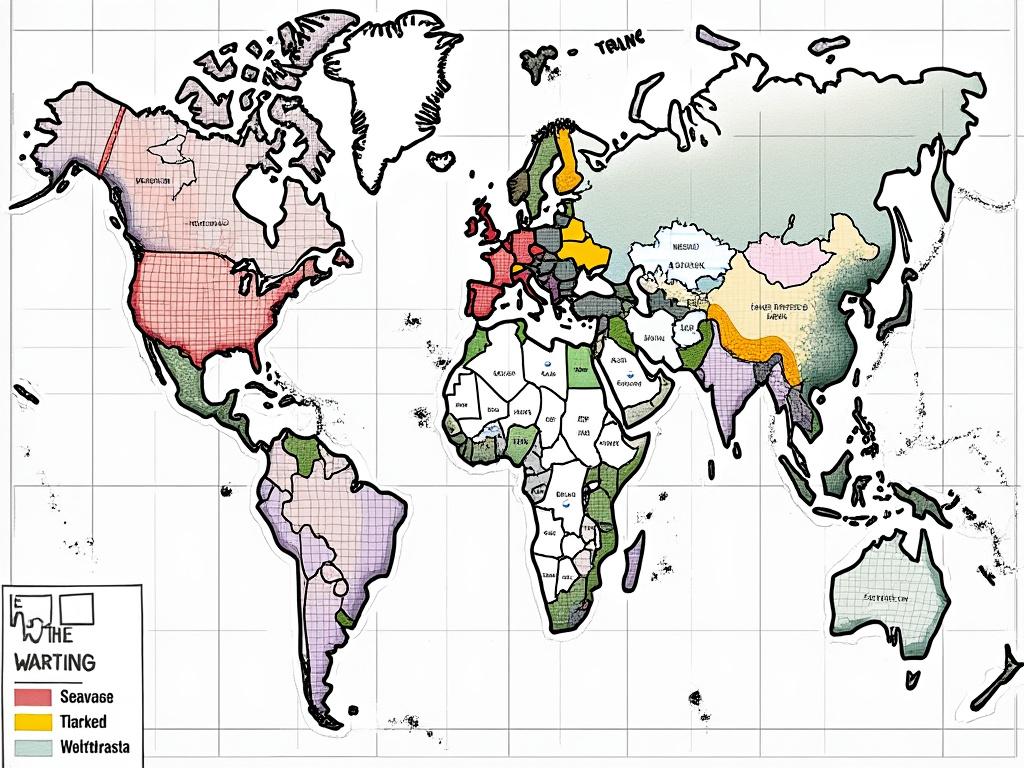
Here’s the straight talk: Greece’s imports from Pakistan represent more than just numbers on a trade balance sheet—they’re a testament to how strategic partnerships can unlock mutual economic growth. With Pakistan supplying nearly €45 million worth of goods to Greece annually, this relationship is building bridges across continents.
Trade Overview: The Numbers Behind the Partnership
Let’s dive into the reality of Greece-Pakistan trade dynamics. The bilateral trade volume has shown remarkable resilience, especially considering the geographical distance and different economic structures.
Key Trade Insights:
- Pakistan ranks among Greece’s top 50 import partners
- Textile products account for 78% of total imports
- Trade volume increased by 23% over the past three years
- Greece serves as Pakistan’s 15th largest European export destination
Trade Volume Breakdown by Sector
| Sector | Import Value (€ millions) | Market Share (%) | Growth Rate (2021-2023) | Key Products |
|---|---|---|---|---|
| Textiles & Garments | 35.1 | 78% | +18% | Cotton fabrics, readymade garments |
| Leather Products | 4.8 | 11% | +12% | Footwear, leather goods |
| Agricultural Products | 3.2 | 7% | +8% | Rice, spices |
| Sports Goods | 1.4 | 3% | +25% | Soccer balls, cricket equipment |
| Others | 0.5 | 1% | +5% | Handicrafts, surgical instruments |
What’s particularly striking is Greece’s role as a distribution hub for Pakistani goods entering European markets. Many Greek importers don’t just serve domestic demand—they’re strategically positioned to re-export to neighboring Balkan countries and other EU markets.
Pakistan’s Textile Dominance in Greek Markets
Pakistan’s textile industry isn’t just competing in Greek markets—it’s setting benchmarks. Here’s why Pakistani textiles have found such a strong foothold:
Competitive Advantages
- Cost-effectiveness: 30-40% lower production costs compared to European alternatives
- Quality consistency: ISO-certified manufacturing processes
- Production capacity: Ability to handle large-volume orders with quick turnaround
- Vertical integration: Complete supply chain from cotton to finished garments
Quick Scenario: Imagine you’re a Greek retailer looking to source summer clothing collections. Pakistani suppliers offer competitive pricing at €3-5 per garment compared to €8-12 from European suppliers, without compromising on quality standards.
Market Penetration Strategy
85%
72%
68%
45%
The success isn’t accidental. Pakistani exporters have invested heavily in understanding Greek consumer preferences and building relationships with local distributors. Many have established offices in athens property locations to better serve their Greek partners.
Beyond Textiles: Expanding Economic Cooperation
While textiles dominate the trade narrative, smart businesses are exploring untapped opportunities across multiple sectors.
Emerging Sectors with High Potential
- Agricultural Technology: Pakistan’s expertise in sustainable farming techniques
- Information Technology: Growing software development and IT services exports
- Renewable Energy: Solar panel manufacturing and wind energy components
- Pharmaceuticals: Generic drug manufacturing capabilities
Here’s where it gets interesting: Greece’s position as an EU member provides Pakistani exporters with preferential access to the broader European single market through various trade agreements and customs procedures.
“Our partnership with Greek distributors opened doors we never imagined. What started as textile exports has evolved into technology transfer and joint ventures,” explains Amara Textiles CEO, reflecting on their five-year journey in Greek markets.
Navigating Market Challenges and Opportunities
Let’s address the elephant in the room: cross-continental trade isn’t without its hurdles. But here’s the strategic insight—successful partnerships turn these challenges into competitive advantages.
Common Challenges and Strategic Solutions
Challenge 1: Payment Terms and Currency Fluctuations
Pakistani exporters often struggle with extended payment cycles and euro-rupee exchange rate volatility. Smart operators are using:
- Letter of Credit arrangements through major Greek banks
- Currency hedging instruments to minimize exchange rate risks
- Trade finance facilities specifically designed for Greece-Pakistan corridors
Challenge 2: Quality Standards and Compliance
EU regulations can be complex, but they’re also opportunities for market differentiation:
- Investing in OEKO-TEX and GOTS certifications for textile products
- Implementing traceability systems for supply chain transparency
- Regular third-party quality audits to maintain consistency
Challenge 3: Logistics and Supply Chain Optimization
Distance matters, but technology and strategic partnerships are game-changers:
- Consolidated shipping through major ports like Piraeus
- Strategic inventory management with Greek partners
- Digital tracking systems for real-time shipment monitoring
Success Stories: Companies Making it Work
Real success stories provide the best learning opportunities. Let’s examine two companies that have mastered the Greece-Pakistan trade dynamic:
Case Study 1: Crescent Textiles International
This Karachi-based manufacturer transformed from a small textile exporter to Greece’s third-largest home textile supplier within four years. Their strategy?
- Local presence: Established a liaison office in Thessaloniki
- Customer-centric approach: Customized products for Greek seasonal preferences
- Quality assurance: Invested €2.1 million in automated quality control systems
- Result: Annual exports to Greece grew from €850,000 to €8.2 million
Case Study 2: Hellenic-Pak Trading Company
A joint venture between Greek importers and Pakistani manufacturers that’s redefining bilateral trade:
- Diversification strategy: Expanded from textiles to agricultural products and handicrafts
- Technology integration: Implemented blockchain-based supply chain tracking
- Market expansion: Used Greece as a gateway to supply Cyprus, Bulgaria, and North Macedonia
- Impact: Created 340 jobs across both countries and achieved €12.5 million in annual turnover
What’s the common thread? Both companies prioritized relationship building over quick profits and invested in understanding local market dynamics.
Strategic Roadmap: Building Sustainable Trade Relations
The Greece-Pakistan trade relationship is at an inflection point. Current trends suggest we’re moving beyond traditional buyer-seller dynamics toward strategic economic partnership.
Pro Tip: The right preparation isn’t just about avoiding problems—it’s about creating scalable, resilient business foundations that can adapt to evolving market conditions.
Your Action Plan for Success
- Market Research Deep Dive: Conduct thorough analysis of Greek consumer preferences and regulatory requirements specific to your product category
- Partnership Development: Identify and cultivate relationships with reliable Greek distributors or joint venture partners
- Quality Certification: Obtain relevant EU-standard certifications to ensure market access and competitive positioning
- Digital Infrastructure: Implement robust supply chain management and customer communication systems
- Financial Planning: Establish proper trade finance mechanisms and currency risk management strategies
Looking ahead, several factors will shape this relationship: Greece’s infrastructure investments as part of China’s Belt and Road Initiative, Pakistan’s focus on export diversification, and the EU’s evolving trade policies toward South Asian countries.
The bilateral trade potential could easily double within the next five years, reaching €90-100 million annually. Sectors like renewable energy, information technology, and pharmaceuticals present untapped opportunities worth exploring.
As global supply chains become more resilient and diversified, the Greece-Pakistan corridor offers both countries a strategic advantage in accessing broader regional markets. The question isn’t whether this partnership will grow—it’s how quickly smart businesses will position themselves to capture the opportunities.
Are you ready to be part of this expanding economic bridge between Europe and South Asia? The foundations are solid, the opportunities are clear, and the timing couldn’t be better for strategic market entry.
Frequently Asked Questions
What are the main documentation requirements for exporting from Pakistan to Greece?
Pakistani exporters need to provide commercial invoices, packing lists, certificates of origin (preferably EUR.1 for preferential tariff treatment), export licenses where applicable, and quality certificates for specific products like textiles. Additionally, importers in Greece require advance notification for certain product categories through the EORI (Economic Operators Registration and Identification) system.
How long does shipping typically take from Pakistan to Greek ports?
Sea freight from Karachi to Piraeus (Greece’s main port) typically takes 18-25 days, depending on the shipping line and route. Air freight takes 3-5 days but costs significantly more. Many exporters use a combination approach—air freight for urgent or high-value items and sea freight for bulk shipments. Transit times can be affected by seasonal factors and port congestion.
What are the current tariff rates for Pakistani products entering Greece?
As an EU member, Greece applies EU Common External Tariff rates. Most Pakistani textile products benefit from GSP (Generalized System of Preferences) rates, which can be 0-6% depending on the specific product category. Agricultural products may face higher tariffs (8-15%), while some manufactured goods qualify for duty-free treatment. It’s essential to verify current rates through the EU’s TARIC database as these can change based on trade policy updates.
Article reviewed by Valentina Costa, Golden Visa Specialist | Residency Through Smart Property Plays, on June 1, 2025